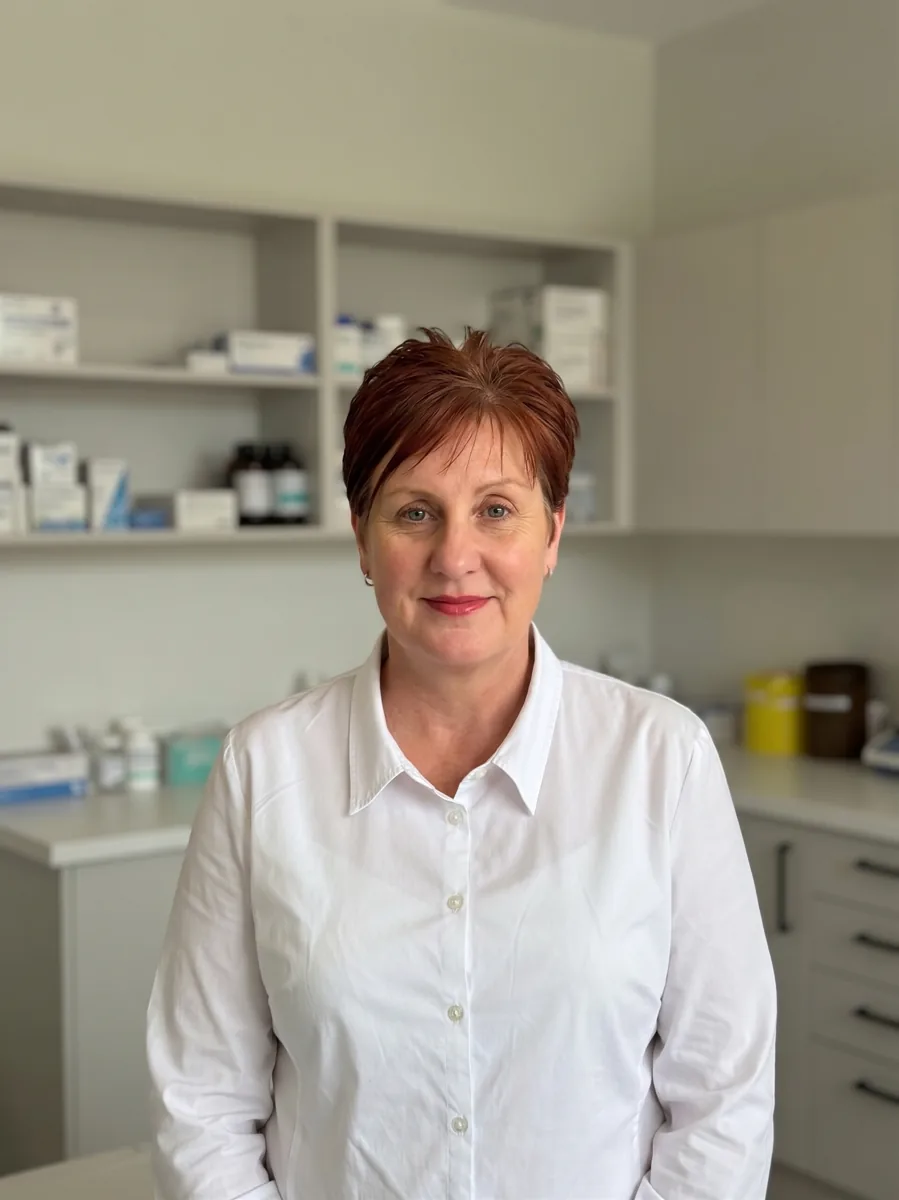
 Amelia Raby
Medication training for carers should help care staff understand safe administration, MAR/eMAR records, PRN medicines, refusals, missed doses, storage, escalation and medication error reporting. For care providers, strong training should also support competency evidence, safer systems and clearer CQC readiness.
Medication training for carers is one of the most important investments an adult social care provider can make. Care staff may be supporting people with regular medicines, PRN medicines, time-critical medicines, topical treatments, controlled drugs, refusals, non-administration, storage concerns and changing instructions. When staff are not confident, small gaps can quickly become medicines errors, unclear records or avoidable risks.
Good training should do more than help staff pass a short test. It should help carers understand what they are responsible for, where the limits of their role sit, how to record medicines support clearly, and when to escalate a concern.
AJR MedSafe Academy provides practical medicines management training for care providers that is Pharmacy Technician-led and designed around real adult social care settings.
Why medication training for carers matters
Medicines support is a high-risk area because it sits at the point where care, health, records, communication and governance all meet. A carer may be the person who notices that a medicine is missing, that a dose has been refused, that a person is becoming confused about their tablets, or that instructions on a MAR or eMAR record are unclear.
Medication training for carers helps staff understand:
- what safe medicines support looks like in their role
- how to follow the care plan and medicines policy
- how to record administration, refusals and non-administration
- what to do if a medicine is unavailable or appears incorrect
- how to recognise higher-risk medicines situations
- when to ask a manager, prescriber, pharmacist or other professional for advice
- why accurate records matter for safety and governance
For Registered Managers, good training also supports evidence. If CQC or commissioners ask how staff are prepared to support people with medicines, managers need to show more than a certificate. They need to show that medicines training is relevant, understood, refreshed and supported by competency assessment where appropriate.
What should medication training for carers include?
Care providers should look for training that is specific to adult social care. Generic medication awareness training may not go far enough if it does not reflect what carers actually deal with during visits, shifts, handovers and record keeping.
A strong medicines training session should cover:
- the different levels of medicines support, including prompting, assisting and administering
- safe administration and the key checks staff should make
- MAR and eMAR records
- PRN medicines and clear PRN instructions
- time-critical and time-sensitive medicines
- medication refusals and non-administration
- ordering, receipt, storage and disposal
- topical medicines, patches and creams
- controlled drugs awareness where relevant
- covert administration and the importance of correct legal processes
- medication errors, near misses and learning
- escalation routes and manager oversight
This is also why many providers combine training with an individual knowledge and understanding assessment. Training builds knowledge; the assessment helps managers check whether staff have understood it. Practical workplace competency sign-off remains the provider’s responsibility.
Why practical training is better than tick-box training
Carers often need clear examples, not just theory. For example:
- What should staff do if a person refuses their morning medicine?
- What should be recorded if a PRN medicine is offered but not taken?
- What happens if a medicine is missing from the blister pack?
- What should staff do if an eMAR prompt appears wrong?
- How should a late or missed dose be escalated?
These are the moments where real medicines safety is won or lost. Practical medication training for carers should make these situations easier to understand. It should give staff the confidence to pause, check, record, report and escalate.
AJR MedSafe Academy is led by Amelia Raby, a GPhC-registered Pharmacy Technician, with more than 22 years of medicines experience across NHS, private healthcare, community pharmacy and adult social care medicines support. That background means training is not delivered from a generic script. It is built around real medicines systems, real staff questions and the pressures care providers face every day.
Expert insight from Amelia Raby
In medicines training, Amelia often sees that staff want to do the right thing but are not always given clear enough examples. The highest-value training moments often come from practical scenarios: what to do when a medicine is refused, how to record a PRN medicine, when a missed dose should be escalated, or how to respond when a MAR or eMAR entry does not look right.
Good medication training should leave carers more confident about what to check, what to record and when to ask for help.
Medication training and CQC readiness
Medication training for carers can support CQC readiness, but it should not be treated as a guarantee of compliance. CQC expects providers to manage medicines safely, maintain accurate records and make sure staff have the skills and competence needed for their role.
Training can help providers show that:
- staff have received relevant medicines training
- staff understand safe recording and escalation
- managers take medicines risk seriously
- staff development is linked to safer practice
- competency and supervision are kept under review
If your service is preparing for inspection, it may also be worth reviewing staff files, competency evidence, MAR/eMAR records and medicines governance. AJR MedSafe offers Pre-CQC medicines compliance audits for providers who want a clearer view of medicines risks before inspection.
Choosing a medication training provider for carers
When comparing training options, care providers should ask:
- Is the training specific to adult social care?
- Does it cover MAR/eMAR records, PRN, refusals, storage and medication errors?
- Is the trainer experienced in medicines management, not just generic care training?
- Are certificates provided?
- Can a knowledge assessment be added?
- Does the course help managers evidence safer practice?
- Is the training practical enough for staff to use in real care settings?
AJR MedSafe Academy provides CPD-certified medicines management training with clear pricing and an optional Knowledge & Understanding Assessment. You can also view medicines management training pricing before making an enquiry.
How AJR MedSafe Academy can help
AJR MedSafe Academy supports adult social care providers with:
- medicines management training for carers
- Knowledge & Understanding Assessments for care staff
- Pre-CQC medicines compliance audits
- medication error review and support
- medicines governance advice and action planning
If your care staff need practical medication training, you can book medicines management training for your team or book a discovery call with Amelia.
Frequently asked questions
How often should carers complete medication training?
Many care providers arrange annual refresher training, but frequency should also depend on the staff member’s role, medicines risk, competency, supervision outcomes and any concerns or incidents. Training may be needed sooner for new staff, returning staff or teams with recurring medicines issues.
Is medication training enough on its own?
Training is important, but managers should also check understanding and confirm competence. Training builds knowledge, a knowledge and understanding assessment helps evidence whether staff have understood it, and the provider’s own workplace competency assessment confirms safe practice.
Does medication training for carers support CQC readiness?
Yes, it can support CQC readiness by showing that staff receive relevant medicines training. It should sit alongside competency evidence, accurate records, medicines audits, incident learning and manager oversight.
Who should attend medication training?
Medication training is suitable for care workers, senior carers, support workers, team leaders, field care supervisors, medicines leads and managers whose role involves prompting, assisting, administering or recording medicines.
Useful guidance for care providers
- CQC medicines information for adult social care: https://www.cqc.org.uk/guidance-regulation/adult-social-care/medicines-information-adult-social-care-services
- CQC training and competence in medicines optimisation: https://www.cqc.org.uk/guidance-regulation/adult-social-care/medicines-information-adult-social-care-services/training-competence-medicines-optimisation-adult-social-care
- Skills for Care medicines management resources: https://www.skillsforcare.org.uk/Support-for-leaders-and-managers/Managing-a-service/Prevention-in-social-care/Medicines-management-resources.aspx
- NICE NG67: https://www.nice.org.uk/guidance/ng67
This article is for general information only. Medicines training, knowledge assessments and audit support can help strengthen practice and evidence, but they cannot guarantee CQC compliance, a rating or an inspection outcome.